
Discover Sustainable Materials for Furniture
Overview
Sustainable furniture is made with environmental and social considerations in mind. Key materials include recycled wood, bamboo, cork, biodegradable plastics, and recycled metal. Choose furniture with certifications such as FSC and OEKO-TEX. Maintenance is essential for longevity, and trends point to modularity and the popularity of vintage furniture. Choosing sustainably contributes to a better future for our planet.
Sustainability is a hot topic these days, especially when it comes to interior design and furniture. Consumers are increasingly aware of their environmental impact and are choosing to make sustainable choices. In this blog post, we explore the different materials that can be used to create sustainable furniture and provide you with the necessary insights for your next purchase. From recycled wood to biodegradable plastics, discover how your choices can make a difference.
What is sustainable furniture?
Sustainable furniture is made with consideration for the environment, society, and the economy. This means that ecological impact is considered at every stage of production. The use of sustainable materials is essential in this quest for a greener furniture industry.
Why choose sustainable materials?
Choosing sustainable materials for furniture has several advantages:
- Lower environmental impact: Sustainable materials are often produced with less waste and harmful substances.
- Sustainability: These materials are often more robust and last longer, which contributes to a lower ecological footprint.
- Health: Sustainable furniture is generally free of toxic chemicals often found in traditional furniture.
Popular sustainable materials for furniture
Recycled wood
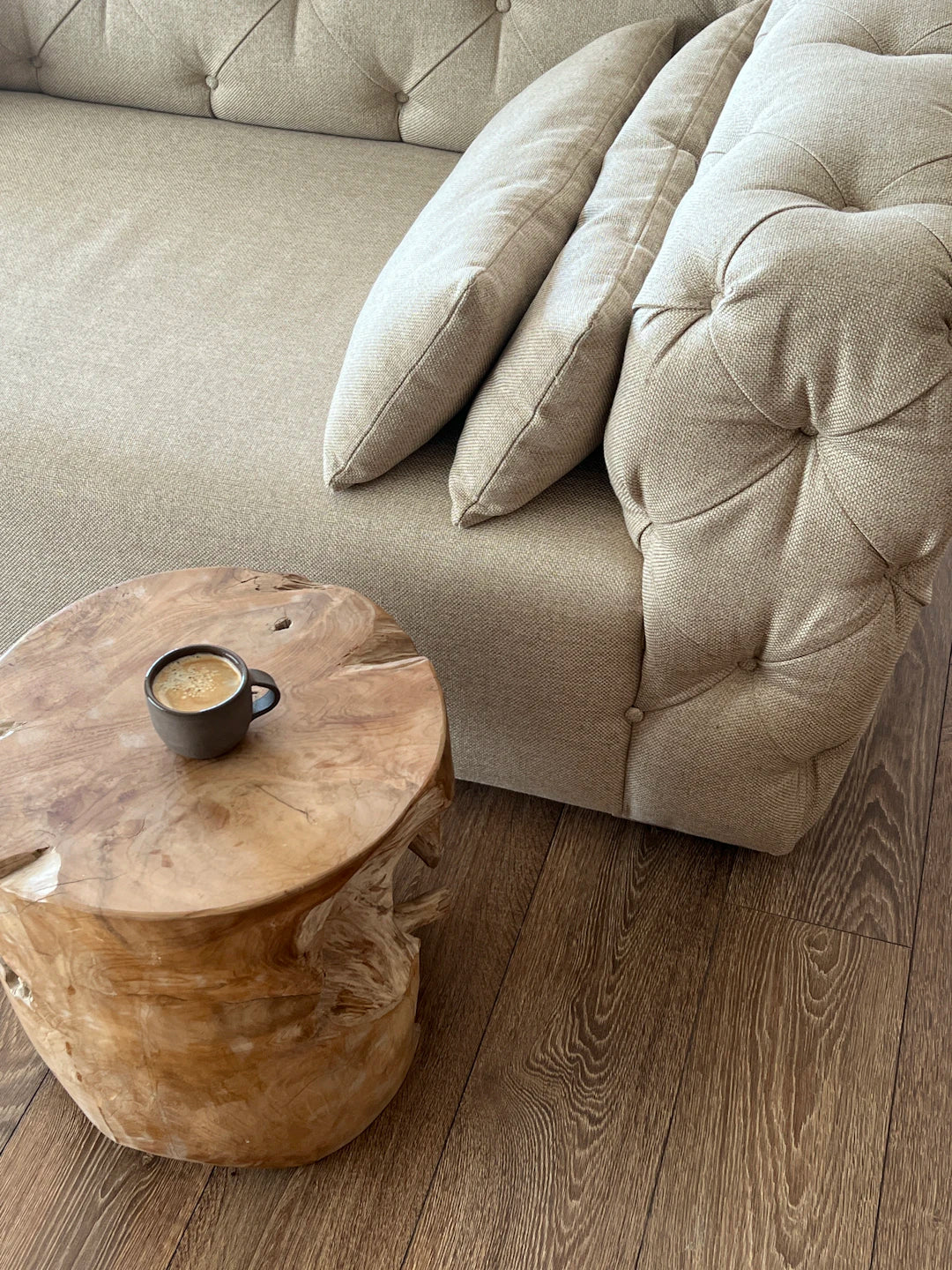
Reclaimed wood is a fantastic alternative to new wood. Using previously used wood reduces the need to cut down new trees and simultaneously helps give old furniture a new life. This material often adds character and a unique look to each piece.
Bamboo
Bamboo is one of the fastest-growing plants in the world and has a low ecological impact. It's a strong and versatile material that can be used for everything from furniture to flooring. Furthermore, bamboo is completely biodegradable, making it an excellent choice for those focused on sustainability.
Cork
Cork is a natural material derived from the bark of the cork oak tree. It is not only light and resilient, but also completely renewable. Cork has moisture-regulating properties and is also an excellent sound insulator, making it perfect for furniture used in bedrooms or quiet rooms.
Biodegradable plastics
In a world where plastic pollution is becoming an increasing problem, biodegradable plastics are a step in the right direction. These plastics are made from natural sources like starch or corn and can break down after use without leaving harmful residues. They offer a more sustainable alternative to traditional plastics in furniture.
Metal
Metal, especially recycled metal, is another sustainable material widely used in the furniture industry. Recycled metal reduces the need for virgin iron ore and can be reused endlessly without losing its quality. It offers a sleek, modern look that fits perfectly into contemporary interiors.
The importance of certifications
When choosing sustainable furniture, it's important to look for certifications that confirm the eco-friendliness of the materials. Here are some important labels to look for:
- FSC (Forest Stewardship Council): This label guarantees that the wood comes from well-managed forests that offer ecological, social and economic benefits.
- OEKO-TEX: This certificate guarantees that textiles are free from harmful substances, which contributes to the health of both the environment and the consumer.
- Energy Star: For furniture that contains electrical components, this label indicates that it is energy efficient.
Maintenance of sustainable furniture
To ensure the longevity of your durable furniture, it's important to maintain a good maintenance schedule. Here are some tips:
- Use mild, organic cleaning products to protect the finish.
- Avoid direct sunlight to prevent discolouration of materials such as bamboo or wood.
- Check regularly for damage or wear and repair if necessary.
Sustainable design and functionality
Sustainability goes hand in hand with design. More and more designers are focusing on creating furniture that is both stylish and functional, without compromising ecological principles. This raises the question: how can we design furniture that is not only sustainable but also fits into different lifestyles?
Modularity
Modular furniture is a great solution for sustainability. It can be easily adapted to different spaces and needs without having to purchase new furniture. It also makes it easier to replace specific parts instead of the entire piece, resulting in less waste.
Vintage and second-hand furniture
Sustainability can also be promoted by buying vintage or secondhand furniture. These pieces have already lived a life and help break the cycle of production and consumption. It also offers the opportunity to find unique pieces that add character to your interior.
The future trends in sustainable furniture
The world of sustainable furniture is constantly evolving. Here are some trends we can expect in the coming years:
- Innovative materials: With the emergence of new technologies, more innovative and ecological materials will become available that are environmentally friendly.
- Minimalism: A focus on simplicity and functionality helps reduce overconsumption.
- Personalization: Consumers want unique furniture that suits their specific wants and needs, which leads to less waste.
Choosing sustainable furniture isn't just a trendy choice; it's a necessary step toward a better future for our planet. By investing in furniture made from sustainable materials, you contribute to the conservation of our resources and make a positive impact on the environment.
Now that you know more about sustainable materials and their benefits, you're better equipped to make informed choices for your interior. Remember, every small step counts, and your choices can influence the direction of the furniture industry. Make the transition to sustainability today and inspire others to do the same!
